
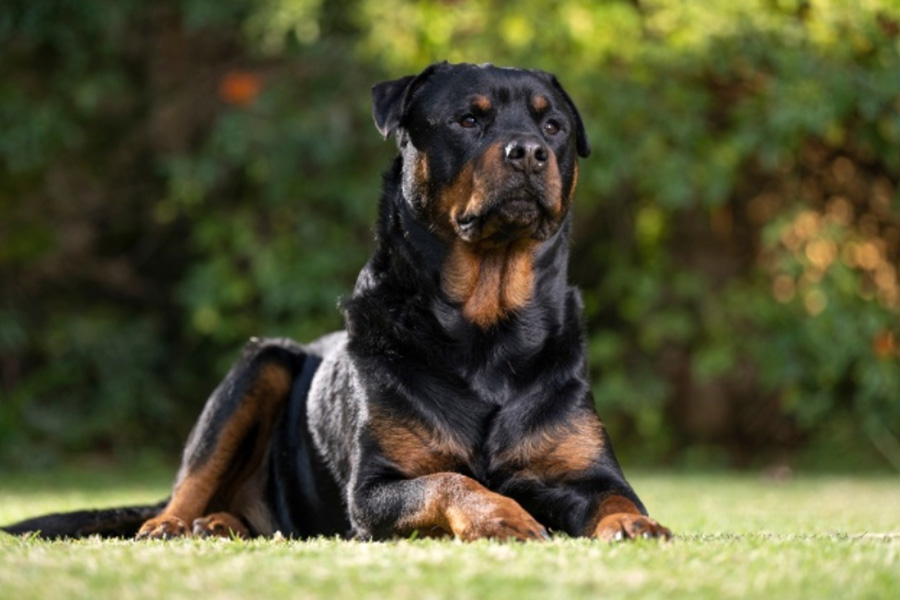
Choosing among the best protection dog companies is not about relying on rankings, advertisements, or popularity. It is about understanding the qualities that make a protection dog dependable, safe, and effective in real-world situations. Whether you are researching trained guard dogs for sale or comparing the best German Shepherd protection dogs for sale, knowing how to evaluate a company based on experience, training standards, and long-term support can help you make a confident and informed decision.
This guide explains what truly separates a reliable protection dog company from the competition. You will learn how to evaluate trainer experience, assess temperament stability, understand training methods, and recognize the importance of ethical sourcing and health transparency. You will also discover why real-world protection training differs from sport-based training and why ongoing handler education is critical for long-term success.
A professionally trained protection dog should respond to its handler’s commands rather than independently determining when to act. This approach helps reduce misunderstandings, increases safety, and minimizes unnecessary risk in everyday environments.
Many people begin their search by looking for lists of top protection dog providers. While this is a natural starting point, these lists often fail to explain what actually makes a protection dog reliable and trustworthy. Understanding the evaluation process yourself is the best way to ensure you choose a dog and training program that meets your needs.
When personal safety and family security are involved, making the right choice matters. Knowing what separates exceptional protection dog programs from average ones can help you invest wisely and achieve greater peace of mind.
The Cost of Choosing the Wrong Protection Dog Company
Selecting the wrong protection dog company can have significant consequences. A dog may appear impressive, display intimidating behavior, or perform well during demonstrations, yet still lack the stability, reliability, and judgment required for real-world protection.
In some cases, buyers invest substantial amounts of money in a dog that ultimately functions more like a household pet than a dependable security companion. Even more concerning, a poorly trained protection dog may fail to respond appropriately when faced with a genuine threat.
Because of these risks, it is important to carefully evaluate every protection dog company under consideration. Reputation alone should not determine your decision. Instead, ask detailed questions, examine training standards, and verify the company’s approach to dog selection, development, and support. A thoughtful evaluation process helps reduce risk and increases the likelihood of finding a protection dog that performs as expected.
Here’s What to Look for in a Protection Dog Company
Once you understand the potential consequences of choosing poorly, the next step is learning what characteristics define a reputable protection dog provider. Regardless of which company you ultimately select, several core factors should always guide your decision.
Proven Trainer Experience and Accountability
The quality of a protection dog program depends heavily on the experience and expertise of its trainers. Protection dog training requires specialized knowledge that goes far beyond standard obedience training.
A qualified trainer should have extensive hands-on experience preparing dogs for real-world protection scenarios. Training should focus on practical application rather than controlled demonstrations alone. Buyers should feel comfortable asking who trains the dogs, how long the training process takes, and how training progresses from foundational skills to advanced protection work.
Transparency is essential. Reputable companies should clearly explain their training methods, health guarantees, performance expectations, and daily routines. It is also important to ask whether dogs are trained to act independently or respond only to handler commands. Dogs trained to follow handler direction generally provide greater control and lower liability in everyday situations.
Stable Temperament Comes Before Aggression
Many people mistakenly associate protection dogs with aggression. In reality, aggression alone does not create security. Uncontrolled aggression can create serious safety concerns and increase liability.
The most reliable protection dogs possess stable temperaments and sound judgment. They remain calm under pressure, demonstrate confidence without unnecessary reactivity, and behave appropriately in normal social environments. These dogs can transition smoothly between family life and protection work without displaying unpredictable behavior.
An ideal protection dog should be comfortable relaxing around children and family members while also being capable of responding effectively when directed by its handler. Temperament stability is one of the most important factors in determining long-term success.
Selection Standards and Ethical Sourcing
Training alone cannot transform every dog into a reliable protection companion. The foundation of a successful protection dog begins with careful selection and responsible sourcing.
Professional protection dog companies evaluate temperament, confidence, health, and behavioral traits before beginning training. Only a small percentage of dogs possess the qualities necessary to excel in protection work. Companies that maintain strict selection standards are often better positioned to produce reliable and predictable outcomes.
Ethical sourcing practices are equally important. Buyers should seek providers that prioritize animal welfare, health screening, and responsible breeding practices. Strong genetics combined with proper development create a more dependable foundation for advanced training.
The reality is that even exceptional training cannot fully compensate for poor temperament or inadequate genetic traits.
Real-World Training Versus Sport or Demonstration Training
Not all protection training serves the same purpose. Some dogs are trained primarily for competitive sports or staged demonstrations. While these dogs may perform impressively in controlled environments, they are not always prepared for the complexities of real-world protection situations.
True protection training focuses on practical application in unpredictable environments. Dogs learn to remain calm, focused, and responsive without relying on obvious visual cues or training equipment. This approach encourages reliability in everyday settings rather than performance limited to familiar scenarios.
Buyers should ask how dogs are prepared for real-life situations and whether training extends beyond demonstrations. Understanding this distinction can help prevent unrealistic expectations and improve confidence in a dog’s abilities.
Training Methodology
A trustworthy protection dog company should have no difficulty explaining its training philosophy and methodology. Transparency demonstrates confidence and professionalism.
Effective protection dog training typically combines motivation, consistency, repetition, and balanced reinforcement. During early stages, rewards may be used to encourage desired behaviors and build engagement. As training progresses, dogs learn to perform reliably through communication, praise, and a strong bond with their handler.
The goal is to develop dogs that remain responsive, confident, and manageable in a wide range of environments. A balanced training approach helps create reliable behavior while maintaining the dog’s emotional stability and willingness to work.
Training should progress through structured stages that include foundational obedience, advanced skill development, practical application, and environmental exposure. This gradual progression supports long-term reliability and performance.
Handler Training and Long-Term Support
Even the most highly trained protection dog requires an informed and capable handler. Ongoing education and support are essential components of any quality protection dog program.
Reputable providers typically offer guidance on handling techniques, family integration, and day-to-day management. This education helps owners build confidence while strengthening the relationship between dog and handler.
Long-term support is equally valuable. Access to follow-up training, troubleshooting assistance, and professional guidance can help address challenges as they arise. Without proper handler education and continued support, even a well-trained protection dog may struggle to perform at its highest level.
A protection dog should be viewed as a long-term partnership rather than a one-time purchase. Companies that prioritize ongoing support often contribute significantly to the overall success of the placement.