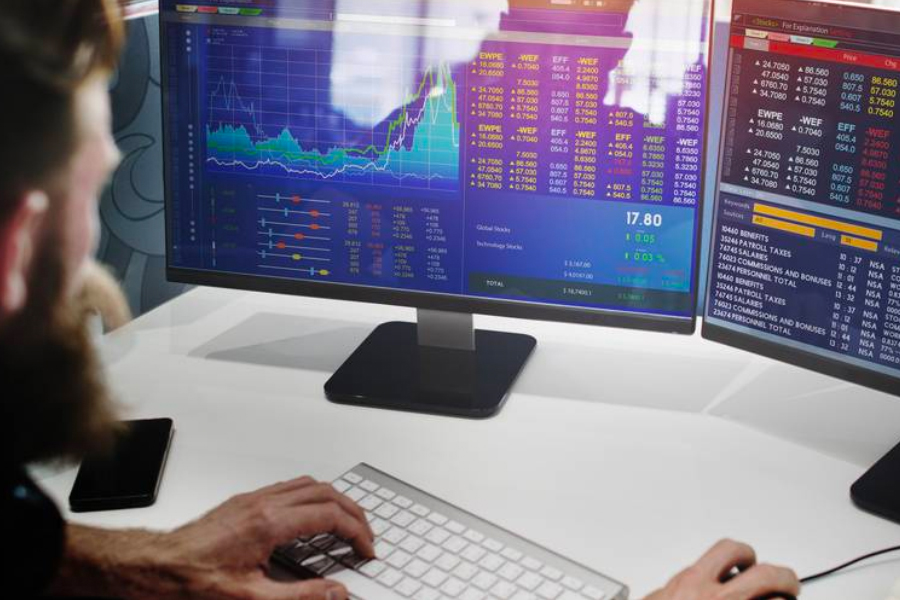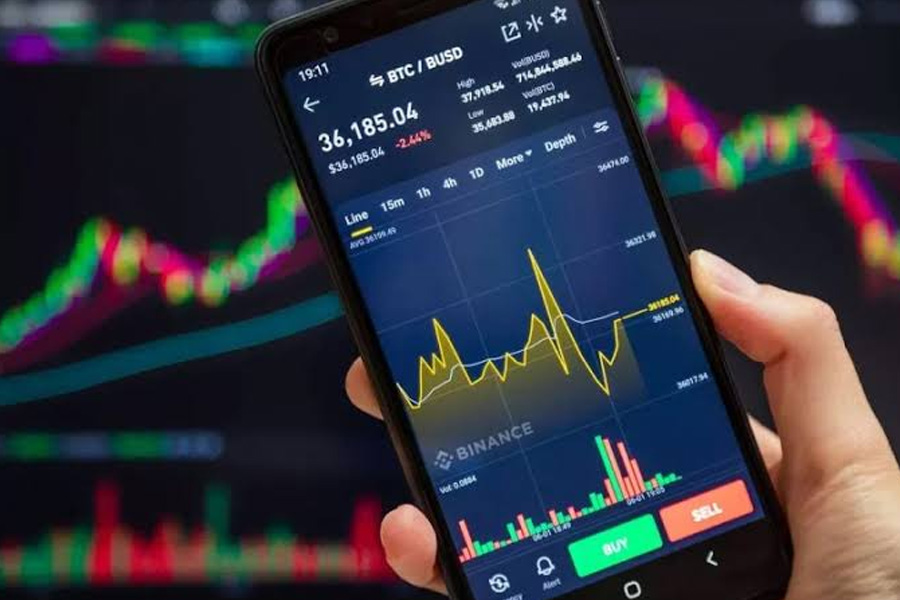
A Share Market App can bring market research, trading, portfolio tracking, fund transfers, and account information into one digital platform. For investors and traders, this can make participation more convenient, but convenience should not be the only criterion used to choose an app.
The right platform should match the user’s purpose. A long-term investor may care more about research, portfolio visibility, and ease of investing, while an active trader may prioritise execution speed, charts, derivatives access, and order controls. Evaluating these differences can help users choose a platform based on actual needs rather than marketing claims.
Start With the Type of Market Participant You Are
Different users expect different things from a market platform.
A long-term investor may want:
- Company financials
- Watchlists
- Portfolio tracking
- Corporate announcements
- Mutual fund access
An active trader may look for:
- Real-time price data
- Advanced charts
- Fast order placement
- Intraday tools
- Derivatives access
A beginner may value:
- Simple navigation
- Clear terminology
- Easy account management
- Transparent charges
The strongest app is therefore not necessarily the one with the longest feature list. It is the one whose tools match the user’s strategy.
Account Access Should Be Simple but Secure
The first experience with a market app usually begins with account setup.
Users should expect a process that clearly explains:
- Identity verification
- Bank-account linking
- Required documents
- Account activation
- Login security
The interface should make it easy to understand what information is being requested and why.
Security should remain a priority throughout the process.
Research Quality Can Improve Investment Decisions
A market app becomes more useful when it does more than display prices.
Research features may include:
- Financial statements
- Valuation ratios
- Earnings history
- Corporate announcements
- Sector data
- Historical charts
These tools can help investors move beyond price-based decisions.
For example, a rising share price should not automatically be interpreted as proof of a strong business. Revenue growth, profitability, debt, and valuation still matter.
Watchlists Help Separate Research From Action
A useful watchlist allows users to monitor companies without buying them immediately.
This can help track:
- Price movement
- Earnings releases
- News
- Valuation changes
- Corporate actions
A watchlist creates a useful gap between interest and execution.
That pause can reduce impulsive purchases driven by short-term excitement.
Order Placement Should Be Clear
A market app should make the order-entry process easy to understand.
Users may encounter:
- Market orders
- Limit orders
- Stop-loss orders
- Delivery orders
- Intraday orders
Each serves a different purpose.
A confusing interface can increase the risk of entering:
- Wrong quantity
- Wrong price
- Wrong order type
Clear confirmation screens are therefore an important usability feature.
Charges Need to Be Easy to Understand
Investors should know what costs may apply before placing transactions.
These can include:
- Brokerage
- Exchange charges
- Taxes
- Regulatory charges
- Other applicable transaction costs
Frequent trading can make even small costs significant.
The app should provide a clear breakdown rather than forcing users to calculate charges separately.
Portfolio Tracking Should Show Allocation, Not Just Profit
Many users focus only on whether the portfolio is currently in profit or loss.
A better dashboard can also show:
- Total invested value
- Current market value
- Sector allocation
- Stock concentration
- Realised gains or losses
This helps users understand portfolio structure.
For example, a portfolio containing ten stocks may still be highly concentrated if most belong to one sector.
Alerts Should Support Decisions
Market apps often provide price and news alerts.
These can be useful when attached to a clear purpose.
For example:
- Monitoring a valuation range
- Tracking a corporate result
- Watching a technical level
- Following an order status
Constant notifications can encourage unnecessary trading.
Users should configure alerts around their strategy instead of reacting to every small market move.
Account Setup Is Part of the Investing Journey
Before a user can begin trading or investing, they generally need access to the relevant securities account infrastructure.
Many platforms allow users to Open Demat Account digitally so securities can be held electronically and linked with the broader trading setup.
The process should be easy to understand, but users should still review account charges, maintenance terms, linked bank details, and security controls before completing registration.
Charting Tools Should Match the Strategy
Advanced charts can be useful for active traders.
Possible tools include:
- Candlestick charts
- Volume indicators
- Moving averages
- Momentum indicators
- Drawing tools
Long-term investors may use charts for context but rely more heavily on business fundamentals.
This is another example of why the right app depends on the user’s approach.
A complex charting suite may be valuable for one trader and unnecessary for another investor.
Execution Quality Matters for Active Users
For frequent traders, order execution can be a major consideration.
Factors can include:
- Platform stability
- Order confirmation speed
- Market data refresh
- Access during volatile sessions
Active traders may also care about:
- Order modification
- Position visibility
- Margin information
A platform that works well for occasional investing may not necessarily meet the needs of someone placing multiple trades each day.
Fund Transfers Should Be Easy to Track
Moving money into and out of the trading account should be straightforward.
Users should be able to see:
- Available balance
- Funds added
- Funds withdrawn
- Pending transactions
- Settlement-related information
Clear fund visibility can reduce confusion about how much capital is actually available for new positions.
Security Should Extend Beyond the Login Screen
A strong market platform should protect more than the initial sign-in.
Useful controls may include:
- Two-factor authentication
- Device verification
- Session management
- Transaction confirmation
- Login alerts
Users also need to protect their own credentials.
Passwords, PINs, and one-time verification codes should not be shared with unknown people.
Customer Support Becomes Important When Something Goes Wrong
A smooth platform experience can change quickly if:
- An order fails
- Funds do not reflect
- Login access is interrupted
- Account details need correction
Users should know where official support is available.
Support information should be easy to locate inside the app or on the official website.
Random contact details found on social media should be treated cautiously.
Educational Features Can Help Beginners
Some apps provide:
- Market explainers
- Terminology guides
- Product descriptions
- Risk information
These can help new investors understand concepts before using them.
However, educational content should not be treated as a substitute for independent research or personalised financial advice.
The purpose should be to improve understanding rather than encourage unnecessary activity.
Market Data Should Be Used With Context
Live prices are useful, but they can also encourage excessive attention to short-term movement.
A stock may move sharply because of:
- Market sentiment
- News
- Earnings
- Sector trends
- Broader economic factors
Users should avoid treating every intraday move as a signal requiring action.
The relevance of short-term price movement depends on the investment strategy.
Different Products Require Different Levels of Knowledge
A Share Market App may provide access to multiple products.
These can include:
- Equity shares
- ETFs
- Mutual funds
- Derivatives
Access does not mean every product is appropriate for every user.
Complex products may require a deeper understanding of:
- Risk
- Leverage
- Expiry
- Pricing behaviour
Users should only use instruments they understand.
App Ratings Should Not Be the Only Selection Factor
Ratings and reviews can provide some useful information.
But they should be considered together with:
- Platform stability
- Charges
- Security
- Research tools
- Customer service
- Ease of use
A highly rated app may still lack features required by a specific type of trader.
Platform choice should remain needs-based.
The Best Interface Is One That Reduces Mistakes
Good design should make important actions clear.
A useful app should reduce confusion between:
- Buy and sell
- Delivery and intraday
- Quantity and value
- Market and limit price
Simple design can be especially important during fast-moving markets.
Ease of use is not just aesthetic. It can support better execution discipline.
Derivatives Need Extra Attention
Users interested in FnO should understand that futures and options can involve leverage, expiry dates, margin requirements, and potentially significant losses.
A Share Market App may make access to derivatives convenient, but the platform interface should not make the underlying risk appear smaller than it is.
Users should understand the product mechanics and risk before using leveraged market instruments.
Conclusion
A Share Market App should be evaluated according to how well it supports the user’s actual investing or trading process.
Research tools, account access, clear charges, reliable order placement, portfolio tracking, security, customer support, and product suitability all matter. The right platform for a long-term investor may be very different from the right platform for an active trader.
The most useful app is not simply the one that makes market access faster. It is the one that makes information, execution, and account management clearer while helping users maintain control over their financial decisions.
FAQs
1. What is a Share Market App?
A Share Market App is a digital platform that can provide access to stock-market information, investing, trading, portfolio tracking, and account-management features.
2. What should beginners look for in a Share Market App?
Beginners may prioritise a simple interface, transparent charges, research tools, strong security, clear order screens, and accessible customer support.
3. Are advanced charts necessary for every investor?
No. Advanced charting may be more useful for active traders. Long-term investors may focus more on business fundamentals, valuation, and portfolio allocation.
4. Why is portfolio allocation important?
Portfolio allocation shows how investments are distributed across stocks and sectors. It can help identify excessive concentration in one company or industry.
5. Can a market app remove investment risk?
No. An app can provide tools and market access, but price volatility, company-specific risk, liquidity risk, and other investment risks still remain.