For years, the packaging industry has accepted plastic tape as a necessary evil. It sticks, sort of. It tears, eventually. It gets the job done, more or less. But the cost of that casual acceptance is higher than most operations realize—in wasted materials, failed seals, and environmental liability. The water activated tape dispenser offers a fundamentally different approach, one that transforms a mundane task into a reliable, efficient, and demonstrably greener process. This isn’t just about changing tape; it’s about changing expectations for what a sealed carton should deliver.
The Problem with Good Enough
Most warehouses still rely on pressure-sensitive plastic tape because it is familiar and cheap per roll. That cheapness is deceptive. The adhesive on plastic tape degrades over time, especially in temperature fluctuations, leading to popped seals and damaged shipments. Packers often apply multiple strips to compensate for weak adhesion, doubling or tripling material use. The tape guns themselves are inconsistent—every operator leaves a different length, a different tension, a different quality of seal. A water activated tape dispenser eliminates these variables. The gummed paper it applies uses a starch-based adhesive that only activates when wet. It bonds aggressively to corrugated fiber, creating a seal that actually becomes stronger over time. One strip is sufficient for most cartons, reducing tape consumption by half or more compared to typical plastic use.
Understanding the Mechanism
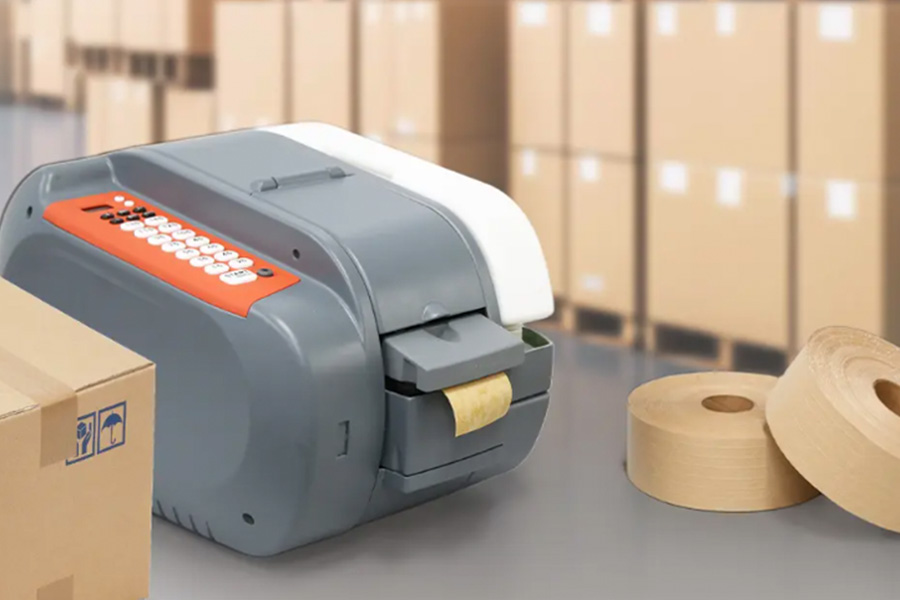
The operation of a water activated tape dispenser is straightforward but demands precision. A roll of kraft paper tape, coated with a water-sensitive adhesive, feeds through the machine. The tape passes over a heated water brush or bath that moistens the adhesive evenly. The operator sets the desired length—typically between 15 and 210 centimeters—and the machine cuts the tape to that exact measurement. The wetted tape emerges ready to apply. The critical detail is the heating element. Cold water doesn’t fully activate the adhesive, leading to weak bonds. Modern dispensers maintain the water at an optimal temperature, ensuring consistent activation in any environment. The result is a seal that dries to a fiber-tearing bond within seconds, not minutes.
Where the Dispenser Makes Its Mark
Certain applications show the value of a water activated tape dispenser most clearly. Cross-border e-commerce, where packages travel through multiple climates and handling systems, benefits from seals that endure temperature and humidity swings. Industrial manufacturers shipping heavy components find that water-activated tape resists the shear forces that pull plastic tape loose from carton seams. The fresh produce industry, moving cold goods through a damp supply chain, relies on the tape’s ability to bond to wet or frosted surfaces where plastic adhesives fail. Even luxury goods retailers appreciate the clean, professional appearance of kraft tape, which signals care and quality.
Choosing the Right Dispenser
Not every water activated tape dispenser is suited to every operation, and the choice often comes down to volume and workflow. Manual handheld models are excellent for low-volume packing stations, pop-up fulfillment centers, or as a trial introduction to the technology. They are portable, require no installation, and provide immediate improvement over tape guns. For medium-volume operations, an electric dispenser with preset length programming balances automation with flexibility. The operator selects the tape length from a stored menu, and the machine does the rest. High-volume fulfillment centers benefit most from sensor-activated dispensers. These units detect when a carton is presented and automatically dispense the correct length, allowing the packer to work continuously without interruption. The sensor models from manufacturers like YJNPACK dispense at speeds up to 60 meters per minute, keeping pace with the fastest packing lines.
The YJNPACK Proposition
Behind every reliable water activated tape dispenser is a manufacturer who understands the packaging ecosystem. YJNPACK (Xiamen LinkAir Technology Co., Ltd.) has dedicated itself to protective packaging equipment since 2005, establishing a comprehensive operation that spans R&D, production, sales, and after-sales support. Their facilities cover 8,000 square meters, staffed by over 100 skilled technicians who produce 1,500 machines monthly. This scale allows them to offer OEM customization, from branding to functional adjustments, enabling distributors to offer a tailored product in their local market. The CE and FSC certifications on their equipment attest to compliance with international safety and environmental standards. For clients, the support extends to technical training and remote assistance, ensuring that the machine performs optimally throughout its service life.
Conclusion
Making the transition from plastic tape to a water activated tape dispenser is not a decision to be taken lightly. It requires evaluating current tape usage, seal failure rates, and the potential for improvement. But the evidence is mounting that for most operations, the switch is a clear upgrade. The tape itself is fully recyclable, eliminating a significant source of packaging waste. The seals are stronger and more durable. The application process is faster and more consistent. With proven equipment from established manufacturers like YJNPACK, the risks of transition are low, and the benefits are tangible. The old habit of accepting good enough is being challenged. The smart answer is water-activated tape.