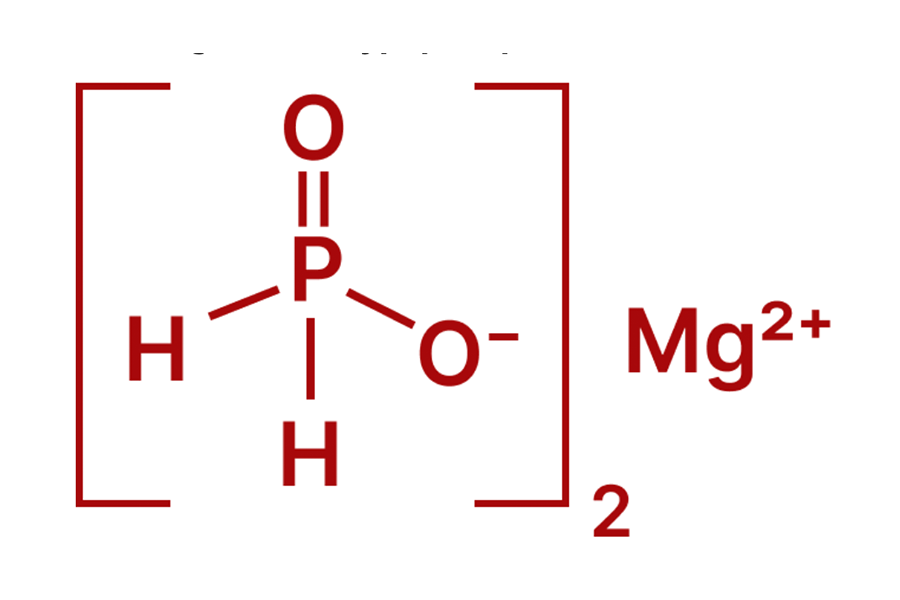
Purity in high-performance flame retardants is not a metric of quality—it is a metric of survival for the polymer matrix. When engineering resins are subjected to the intense thermal stress of extrusion, any impurity in the additive becomes a site for mechanical failure. Establishing collaborative standards between Magnesium Hypophosphite manufacturers ensures that the synergy between different metal salts is not undermined by trace contaminants.
The Problem with Subpar Purity
If an additive contains residual moisture or unreacted precursors, the polymer chain suffers. In polyamides, even minute amounts of acidic residue can trigger hydrolysis. This breaks the polymer chains, leading to a “brittle” part that fails under load.
Impurity is a catalyst for degradation.
High-purity standards focus on the “loss on drying” and the specific pH of a 5% aqueous solution. For these materials to work in tandem, the pH must be tightly controlled within a narrow range to prevent the additives from reacting with each other before they are even introduced to the resin melt.
Efficiency Through Strategic Loading
While Magnesium Hypophosphite provides excellent smoke suppression and acid scavenging, its partner in performance is Aluminum Hypophosphite. This aluminum-based salt is the primary driver of the intumescent char layer.
This char layer is the physical shield.
It stops the fire by starving it of oxygen and fuel. However, if the particle size distribution is inconsistent, the char becomes porous and weak. Collaborative manufacturing standards focus on achieving a “D50” particle size under 5 microns. This ensures that the two different metal salts disperse uniformly throughout the plastic, creating a dense, interlocking shield rather than isolated patches of protection.
Evaluating Efficacy in the Melt
Efficacy is measured by how much the flame retardant interferes with the resin’s natural flow.
In thin-walled electrical connectors, the melt must flow into tiny crevices without freezing prematurely. If the manufacturers do not align their purity standards, the resulting blend can increase “melt viscosity” too sharply. This leads to short-shots—parts that aren’t fully formed. By synchronizing the chemical assay of both magnesium and aluminum salts, processors can maintain a wider “processing window,” allowing for complex geometries without sacrificing UL 94 V-0 safety ratings.
The Multi-Metal Synergy
Why use both? The magnesium salt acts as a stabilizer for the aluminum salt. In high-heat environments, the magnesium component neutralizes the thermal decomposition products of the resin.
It acts as a chemical buffer.
This prevents the “runaway” degradation that often occurs when using high loadings of a single phosphorus source. The collaborative standard between producers ensures that these two materials don’t just exist in the same bag, but actually complement each other’s thermal profiles during the critical seconds of a fire event.
Final Verification for Procurement
Before finalizing a supply contract, technical teams must audit the “trace metal” profile of both additives.
Lead, cadmium, and mercury levels must comply with global RoHS (Restriction of Hazardous Substances) and REACH standards. Beyond legal compliance, the presence of iron must be strictly limited. Iron acts as a pro-oxidant, causing the white engineering resins to turn grey or yellow during the molding process.
Visual clarity is a proxy for chemical purity
Demand a Certificate of Analysis that lists the specific moisture content and the particle size curve. If a manufacturer cannot provide a granular breakdown of these “minor” metrics, the long-term stability of your engineering resin is at risk. Stick to the benchmarks; don’t compromise the polymer for a cheaper, less stable additive.